

Outline of the Circular Economy
In many countries, governments are looking for ways to change their economy into one that is circular, or to improve the level of resource efficiency (e.g. see the EU programme ‘Closing the loop’ or the World Circular Economy Forum). To do so effectively, having an overview of the current state of circular activities in the economy is important. To date, such an overview has been lacking. This PBL report provides an outline of the current state of the circular economy in the Netherlands.
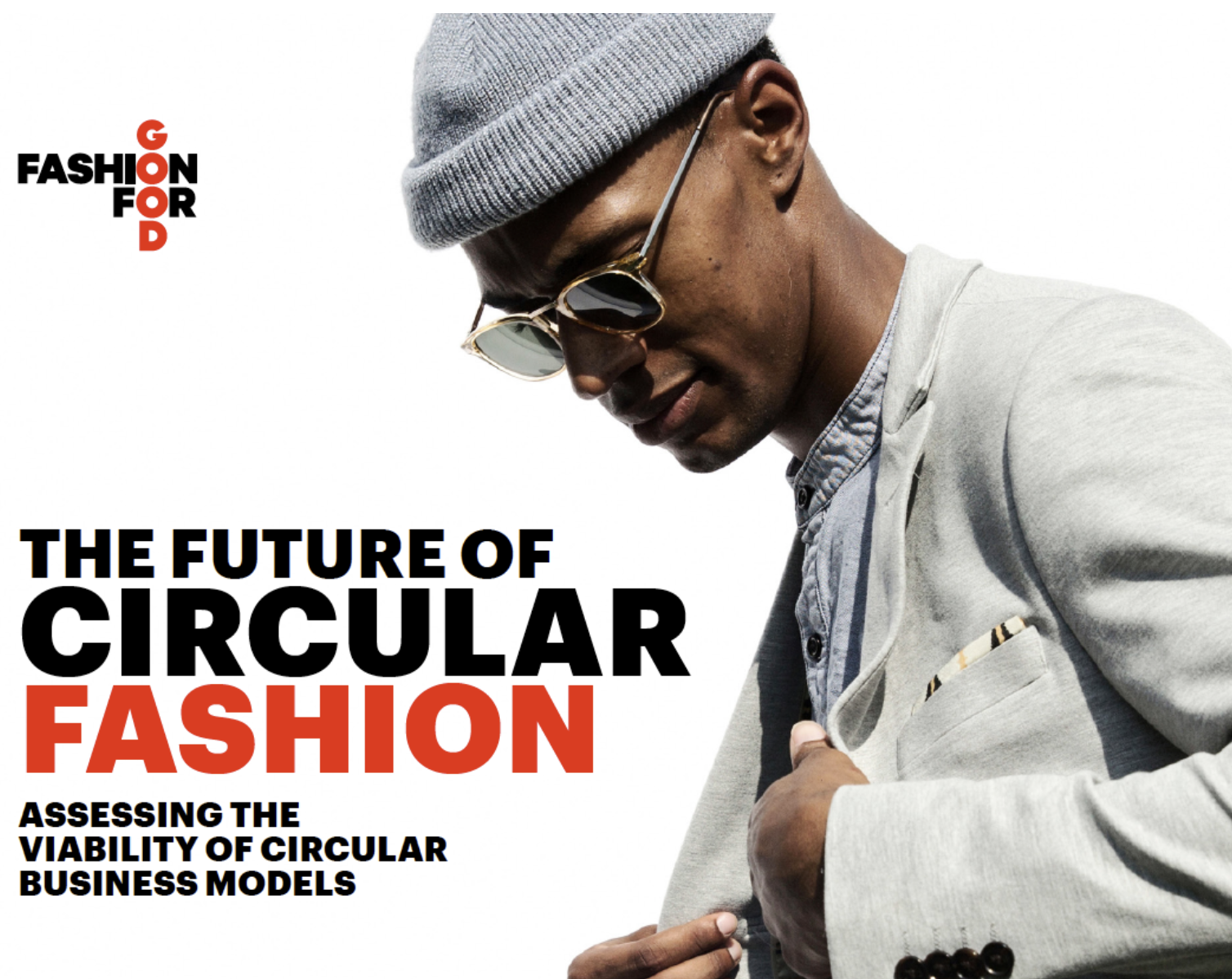
The Future of Circular Fashion
Producerad av: Fashion for Good och Accenture
“Fashion for Good, in collaboration with Accenture Strategy, today launch a new report, “The Future of Circular Fashion: Assessing the Viability of Circular Business Models“, that for the first time explores the financial viability of circular business models in the fashion industry. The study looks into three different models – rental, subscription-rental and recommerce, to assess the financial viability of each when adopted in four different market segments – value, mid-market, premium and luxury. With established brands and retailers being slow to adopt circular models, the report presents further incentives for implementation, helping to identify where circular models are attractive today and the critical levers to enhance their viability in future.”

Cities and Circular Economy for Food
Producerad av: the Ellen MacArthur Foundation
Publicerad: 2019
“By making great strides in productivity, the industrial food system has managed largely to meet the demands of a growing global population. However, this approach to food production, and the management of food by-products, is endangering biodiversity and human health. It has become clear that this food system is no longer fit for the 21st century and that a new model is required.
Launched at the World Economic Forum Annual Meeting 2019 in Davos, Cities and Circular Economy for Food explores the benefits of the transition to a regenerative food system. With analytical support from SYSTEMIQ, the research outlines a vision underpinned by circular economy principles, where food production improves rather than degrades the environment.

Endast en tredjedel av svenska storbolag arbetar med cirkulär ekonomi
Regeringen har beslutat att Sverige behöver ställa om från en linjär, fossilbaserad ekonomi till en cirkulär och biobaserad ekonomi för att vi ska leva upp till de internationella klimatmålen samt målen i Agenda 2030. Men en ny marknadsundersökning genomförd av nätverket Cradlenet, IVL Svenska Miljöinstitutet, Cerise, Ragn-Sells och Nordea visar att endast en tredjedel av Sveriges största börsbolag arbetar med cirkulär ekonomi idag.
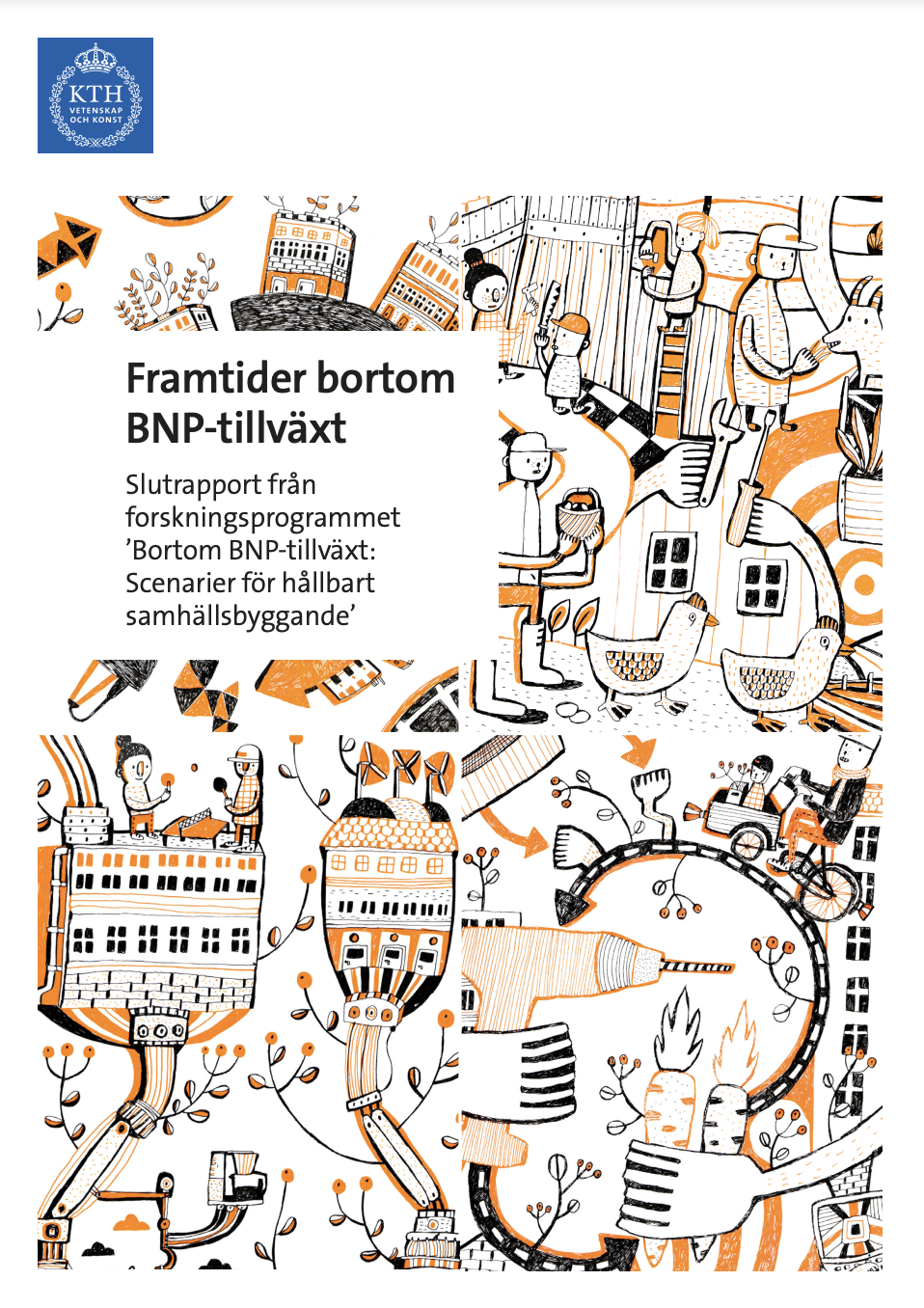
Framtider bortom BNP-tillväxt
Fyra scenarier för Sverige 2050 har tagits fram som illustrerar de olika inriktningar som samhället skulle kunna ta för att nå de uppsatta hållbarhetsmålen. Scenarierna målar upp bilder av framtida samhällen som inte behöver bygga på nuvarande ekonomisk logik och är istället utformade utifrån fyra olika alternativa strategier: Kollaborativ ekonomi, Lokal självförsörjning, Automatisering för livskvalitet och Cirkulär ekonomi i välfärdsstaten.